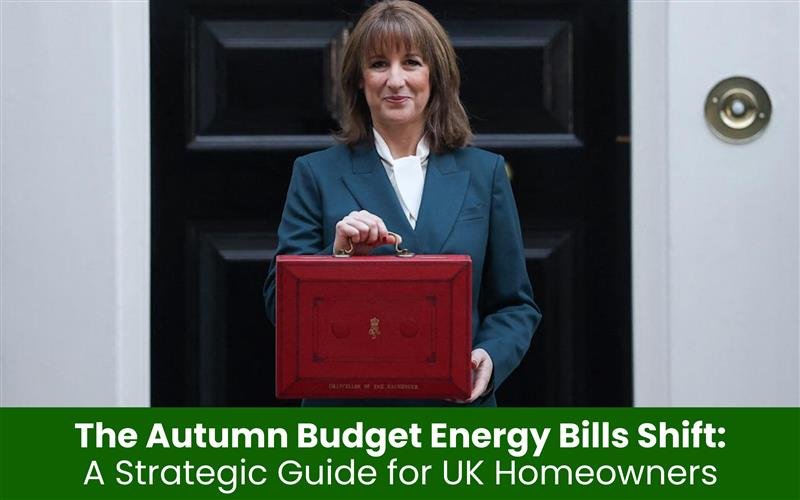
The UK energy bills are dynamically shifting. The recent announcement for the Autumn Budget energy bills update for millions of households provides clarity. The attention-grabbing headline “£150 saving” has been promised. But the reality of energy costs in 2026 requires a deeper look at the fine print. The Free Boiler Scheme analyzed the policy shifts thoroughly. We help you understand how to navigate the transition from old subsidies to new government support.
1. The £150 “Green Levy” Shift: Fact vs. Fiction
The edge of the Autumn Budget energy bills strategy is the removal of green levies from domestic electricity bills. As we know, the green levy supports eco-friendliness, and it imposes tax on anti-environmental activities. So, the government aims to reduce the average energy bill in the UK to £150 in April 2026.
Why the Autumn Budget Matters Now?
This provides immediate help with energy bills. It’s crucial to remember that the Ofgem price cap remains volatile. For a typical household, the current cap sits near £1,755. A £150 reduction is a welcome cushion. But eventually, it doesn’t solve the underlying issue of heat loss in older, inefficient properties.
2. What Will Be the Future of Free Boilers and ECO4?
One of the most significant takeaways from the Budget is the planned evolution of the Energy Company Obligation (ECO). As the government moves toward 2026, the current ECO4 framework is expected to transition into a new policy structure.
- Current Opportunity: If you currently qualify for a free boiler or insulation, the time to act is now.
- The Transition: The new government support for energy bills will emerge. Their criteria for “first-time central heating” and “fabric-first insulation” may be strict. The Budget shifts focus toward heat pumps and decarbonization.
3. Beyond the Budget: Current Government Support for Energy Bills
If you’re struggling with costs before the 2026 cuts take effect, several “legacy” support systems remain active. Navigating these can be the difference between a cold winter and a comfortable home.
| Scheme Name | Who It’s For | Benefit Amount |
| Warm Home Discount | Low-income & Pensioners | £150 off electricity |
| Winter Fuel Payment | Eligible Pensioners | Variable annual grant |
| ECO4 / GBIS | Low EPC-rated homes | Free insulation/boilers |
The low EPC rating of your home means more paying than the average energy bill in the UK. Accessing these grants is the most effective way to “budget-proof” your home against future price hikes.
4. Why Your EPC Rating is the New Currency of Savings
The government support for moving toward “active” energy savers is a growing trend in the Autumn budget. This means homes with better insulation and modern heating controls will benefit more from the upcoming tax shifts.
- The “Rural” Penalty: Households in rural areas often face bills 20% higher than the national average due to off-grid heating.
- The Solution: Use the current government support for energy bills to upgrade to an A-rated boiler. A modern boiler operates at over 90% efficiency, whereas an old G-rated model might barely hit 60%. It’s essentially wasting 40p of every £1 you spend on gas.
5. 2026 Roadmap: How to Prepare Your Household
The Autumn Budget energy bills announcement serves as a roadmap. To ensure you aren’t left behind when the green levies move to taxation, take these proactive steps:
- Audit Your Insulation: Check your loft and cavity walls. If your insulation is under 270mm, you are losing heat through the roof.
- Verify Your Eligibility: Check if your current benefits (like Universal Credit or Pension Credit) make you eligible for a final-wave ECO4 grant.
- Monitor the Price Cap: Stay informed on Ofgem’s quarterly updates to adjust your monthly direct debits accordingly.
Final Verdict
The Autumn Budget energy bill cut of £150 is a positive step toward affordability. However, the true path to lower energy costs lies in reducing demand. By combining permanent home improvements, you can slash your costs by far more than the £150 government subsidy.
Free Boiler Scheme is committed to bridging the gap between policy changes and practical home savings.
Don’t Wait for 2026 to Save Money
Why wait for a tax cut when you can lower your bills today? See if you qualify for a free boiler or insulation upgrade under the current ECO4 rules.
Check Your Eligibility Now and take control of your energy future.